
2025 Global Top 10 Steelmakers Released! Who Dominates the Future Global Steel Market?
The industry era of reckless capacity expansion is long over.


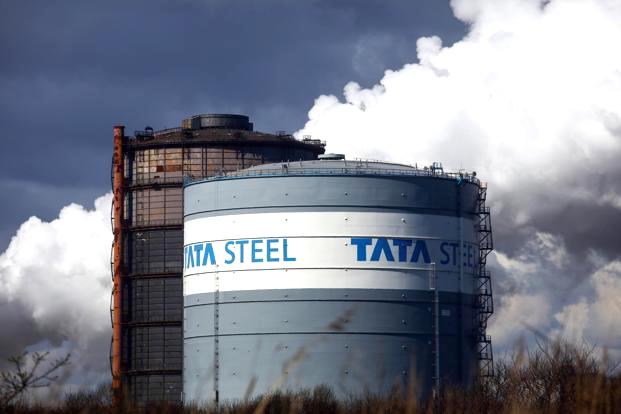
NO.10 - Tata Steel (India) | Output: ~28 million tons
As India’s most established leading steel enterprise, Tata Steel’s strength never lies in maximum production scale, but its robust localized supporting capacity. Driven by rapidly rising domestic demand from infrastructure and manufacturing across India, the group pursues steady development without blind capacity expansion and cutthroat internal competition. Its product portfolio mainly consists of general plates and long products to meet domestic fundamental infrastructure demands, alongside selective development of mid-to-high-end industrial steel grades. Among legacy global steelmakers, it boasts outstanding cyclical resilience. Benefiting from domestic market dividends, it effectively hedges against wild fluctuations in international steel prices.
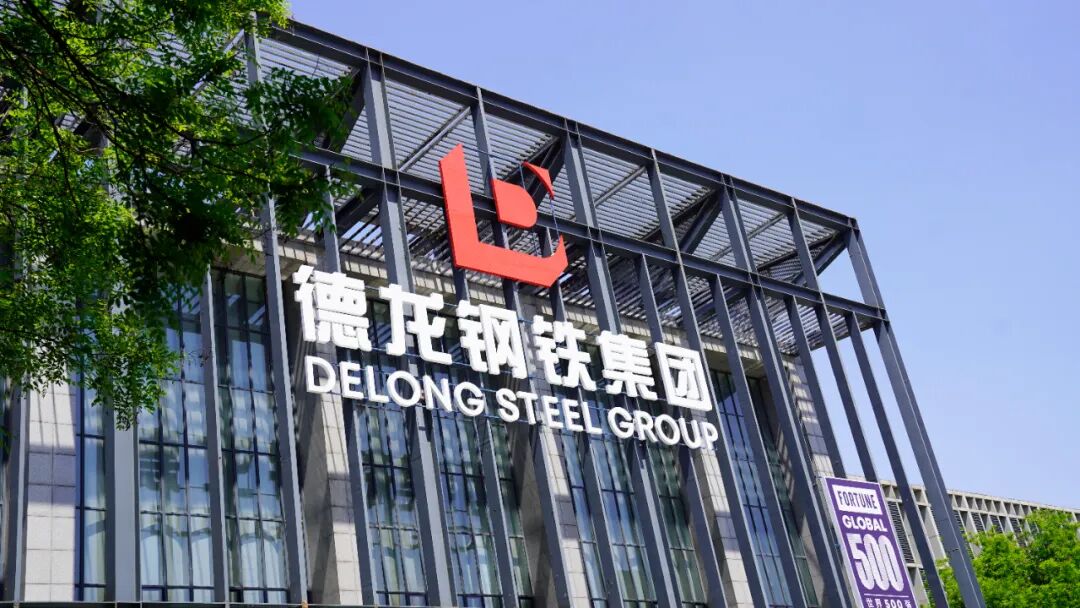
NO.9 - Delong Group (China) | Output: 32.03 million tons
The most notable shift in the 2025 ranking is Delong’s entry into the global top 10, displacing veteran giant Shougang. A representative private steel enterprise, Delong follows a pragmatic development strategy. Instead of chasing high-end conceptual trends, it focuses on high-efficiency, low-cost and green mass production. Its domestic capacities are concentrated in the Beijing-Tianjin-Hebei region, complemented by an overseas production base in Indonesia, forming a coordinated domestic-overseas capacity layout. Compared with state-owned steel groups, it features shorter decision-making processes and flexible capacity adjustment capabilities. Amid intensified stock competition, it achieved upward ranking through refined operation, serving as a typical success story for private steel enterprises.
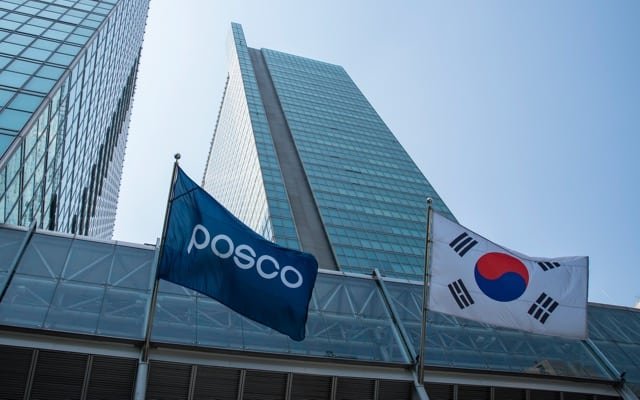
NO.8 - POSCO Holdings (South Korea) | Output: ~34 million tons
Although POSCO’s output ranks mid-table among the top ten, its comprehensive competitiveness consistently places it in the world’s first tier — its most distinctive advantage. Rather than relying on scale, it competes through optimized product mix and technological barriers. High value-added steel products account for over 60% of its output, including LNG cryogenic steel, electrical steel for new energy, automotive high-strength steel and corrosion-resistant coated steel, dominating multiple global niche markets. It has also made early investments in hydrogen metallurgy via the HyREX technology and low-carbon green steel systems, supported by a mature global localized production network. Its risk resistance and stable profitability outperform peers of equivalent production scale.
NO.7 - Jianlong Group (China) | Output: ~36 million tons
Jianlong stands out as one of China’s most evenly distributed private steel producers, with facilities spanning Northeast, North and South China to achieve strong regional adaptability. Its product lineup covers both general steel and special steel, including a full range of long products, plates and pipes. It caters to domestic infrastructure demand while supplying materials for manufacturing industries. The group adopts an extremely prudent operating philosophy, avoiding aggressive capacity expansion and blind cross-industry investment. During industry downturns, it maintains stable operation rates and healthy cash flow, acting as a cornerstone of China’s private steel sector.
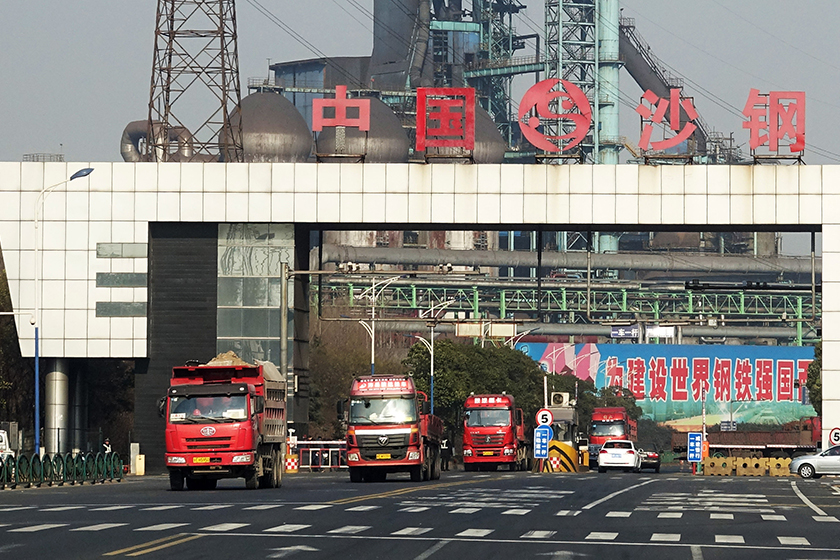
NO.6 - Shagang Group (China) | Output: ~41 million tons
China’s largest private steel enterprise and an industry benchmark, Shagang is rooted in the Yangtze River Delta, China’s core manufacturing belt. Its prime geographic proximity to downstream industrial clusters delivers highly efficient production and sales coordination. Shagang’s core strengths lie in extreme cost control and market-oriented operational flexibility, with solid capacity for plates, bars and wire rods applicable across machinery manufacturing, light industry, infrastructure and other scenarios. For years, it has refrained from disorderly expansion and focused on refined local production, carving out a viable market-driven growth path amid competition from large state-owned steel conglomerates.
NO.5 - HBIS Group (China) | Output: 42.49 million tons
HBIS operates one of China’s most comprehensive plate product portfolios, covering both general steel and high-end special steel. Steady output of conventional plates underpins its core revenue, while continuous breakthroughs in high-end steel for offshore engineering, nuclear power and construction machinery satisfy demand from China’s advanced equipment manufacturing sector. It launched green low-carbon upgrades and intelligent production line renovations at an early stage, achieving notable efficiency gains from existing capacity. Supported by northern industrial clusters, it provides stable material supplies for infrastructure, heavy industry and energy sectors, forming a solid industrial foundation.
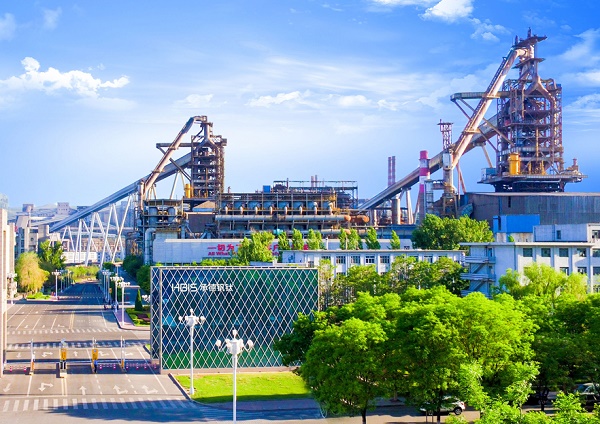
NO.4 - Ansteel Group (China) | Output: 57.61 million tons
Ansteel slipped slightly in the 2025 rankings after being overtaken by Nippon Steel, yet remains firmly within the global first tier. As China’s legacy special steel leader, its core advantages lie in heavy plates, low-temperature steel and special steel for heavy machinery. Most heavy plate materials for alpine railway bridges, large heavy-duty equipment and deep-sea engineering projects in China are sourced from Ansteel. Built on decades of accumulated heavy plate rolling expertise, it possesses irreplaceable technical capabilities and real-world operating verification experience for steel serving extreme working conditions.
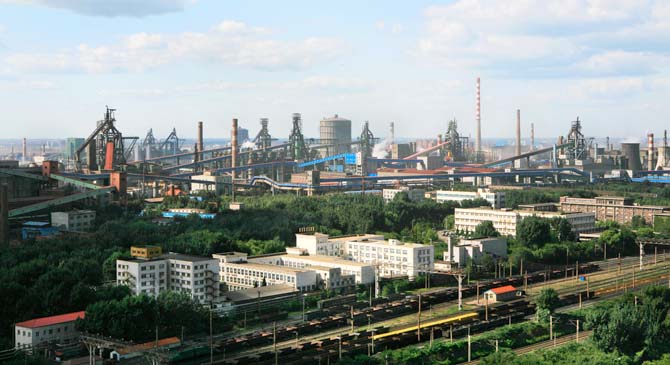
NO.3 - Nippon Steel (Japan) | Output: 57.78 million tons
One of the biggest highlights of the 2025 ranking is Nippon Steel climbing two positions to claim third place, surpassing Ansteel. The key growth driver stems from consolidated production capacity following its full acquisition of U.S. Steel, marking full delivery of its overseas layout strategy. Its core competitiveness centers on premium industrial steel, including automotive outer panels, high-grade electrical steel and precision special steel, supplied to leading global automakers and high-end equipment manufacturers. Renowned for exceptional precision, stability and consistent quality, it retains an irreplaceable position within global high-end steel supply chains.
NO.2 - ArcelorMittal | Output: 63.43 million tons
The world’s largest multinational steel giant, ArcelorMittal consistently holds second place globally and serves as the benchmark for the European and American steel industry. Its production capacity, R&D resources and market footprint are fully globalized, covering Europe, the Americas and Southeast Asia to seamlessly align with worldwide manufacturing supply chains. It maintains a balanced product portfolio comprising mass-produced general steel and specialized grades for automotive, energy and construction sectors. Global localized production enables it to bypass trade barriers efficiently, representing the pinnacle of marketized operation in the global steel industry. Its only weakness lies in moderate capacity shrinkage in recent years and slowing growth momentum.
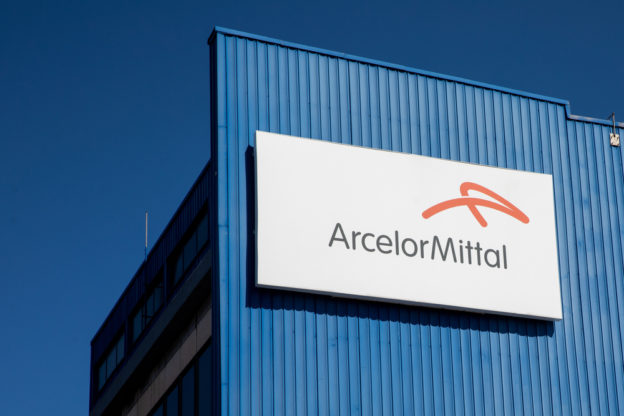
NO.1 - China Baowu Steel Group | Output: 124.76 million tons
China Baowu has secured the title of the world’s top steel producer for six consecutive years. Although its 2025 output edged down slightly year-on-year, it maintains an overwhelming leading position, with production volume far exceeding the combined output of the second and third-ranked enterprises. Following years of restructuring and integration, its production bases span across China with a full-spectrum product matrix. Stable supply of conventional plates and long products forms its fundamental business base, while continuous upgrades in premium automotive steel, electrical steel, offshore engineering steel and hydrogen-based low-carbon steel enable it to lead in scale, technology and green transition. Hosting China’s most mature hydrogen-based shaft furnace low-carbon production lines, it acts as a core driver for global steel decarbonization and domestic substitution of high-end steel materials.
A clear industrial hierarchy emerges from this 2025 global top 10 ranking. Chinese steel enterprises dominate the leaderboard backed by massive production scale, robust capacity foundations and complete industrial chains, sustaining the backbone of the global steel sector. Established steelmakers from Europe, the United States, Japan and South Korea compete through accumulated technology, barriers in high-value steel grades and global supply chain networks, securing profitable high-end market segments.
The industry era of reckless capacity expansion is long over. Competition among top players no longer hinges purely on output and scale. Enterprises capable of consolidating advantages in high-end steel categories, accelerating low-carbon transformation, and adapting to global green trade regulations will successfully navigate industrial cycles and retain leading market positions.
Baohui Steel: Reliable Downstream Partner of China Baowu
Baohui Steel operates as an authorized downstream spot distributor partnering closely with China Baowu Steel Group. We facilitate resource complementarity with leading steel mills, assisting steel producers in expanding coverage among small and medium-sized end customers. We deliver end-to-end processing and last-mile distribution services, exporting China Baowu’s premium wear-resistant plates and high-strength steel to clients worldwide.