

Amorphous
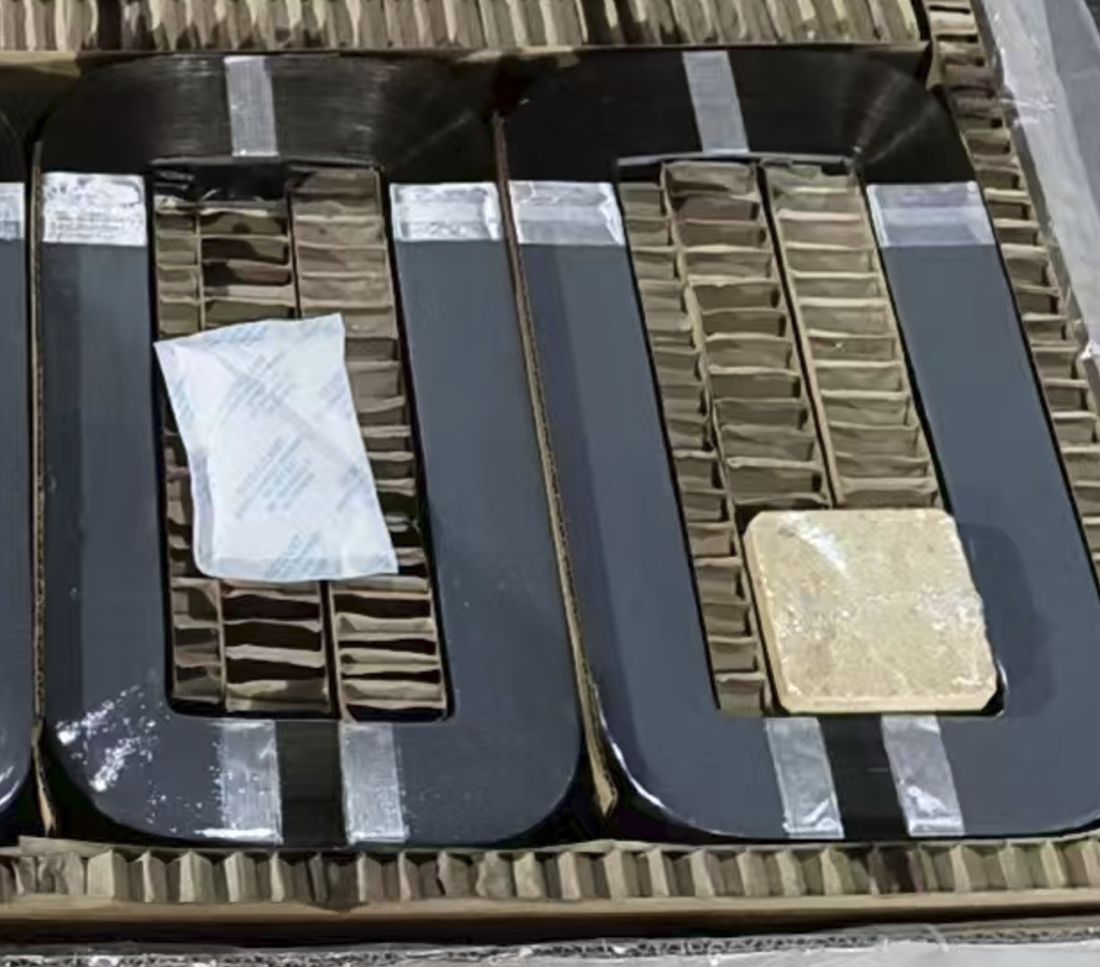
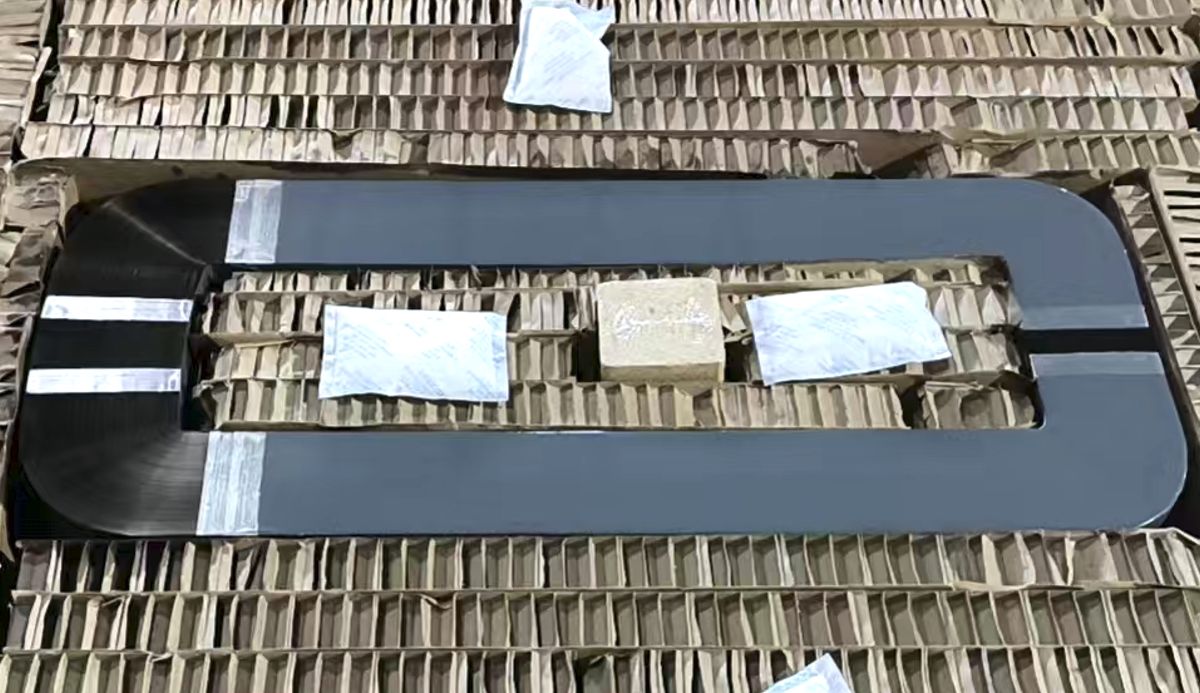
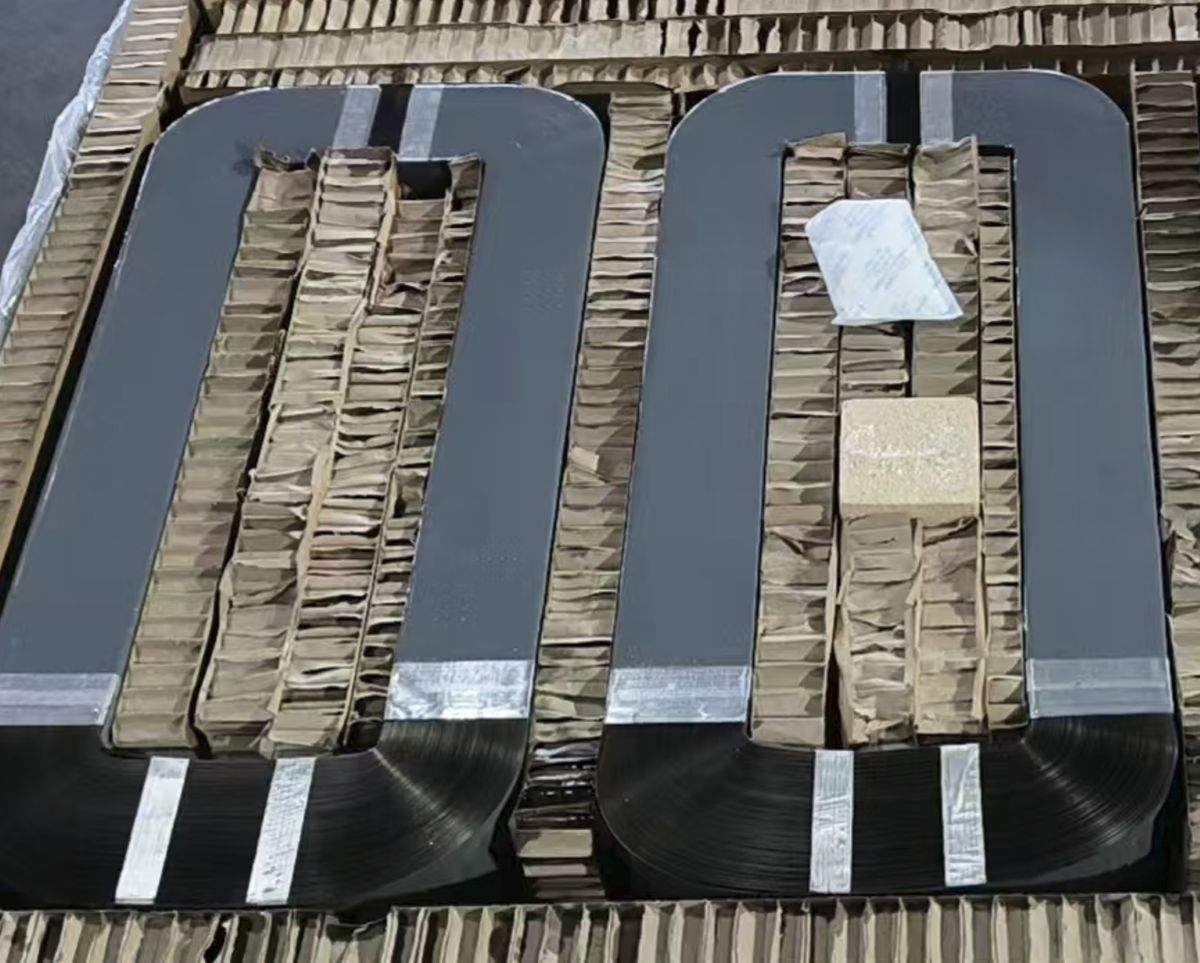
Amorphous alloys are essentially alloy ribbons with a disordered atomic arrangement and no grain boundaries. This structure grants them several magnetic characteristics highly valuable for motors:
Amorphous Materials in Motor Applications: From Iron Loss Reduction to High-Efficiency Electric Drive Systems
In the current motor industry, whether for new energy vehicle traction motors, variable-frequency motors for energy storage, or joint servo systems in humanoid robots, the overarching trends inevitably revolve around two key objectives: pushing the limits of efficiency and power density. Materials, particularly soft magnetic materials, have become constraining factors determining these limits. Among various new magnetic materials, amorphous alloys are progressively evolving from magnetic components into the motor core itself, playing a crucial role in reducing iron losses and enhancing high-frequency efficiency. Especially in scenarios where traditional silicon steel (Si-Fe, Si-Fe-Co) struggles to meet high-frequency demands, amorphous materials demonstrate significant practical value.
Amorphous alloys are essentially alloy ribbons with a disordered atomic arrangement and no grain boundaries. This structure grants them several magnetic characteristics highly valuable for motors:
- Extremely Low Coercivity: Meaning magnetization and demagnetization occur more easily, requiring less energy.
- Exceptionally Low Iron Losses: Particularly in high-frequency ranges. While traditional silicon steel experiences a sharp increase in iron loss above 1 kHz, amorphous materials maintain low loss levels.
- High Resistivity: Effectively suppresses eddy current losses, making them better suited for high-speed motors or high-frequency drives.
These properties led to the large-scale application of amorphous materials first in the transformer sector, such as Amorphous Metal Transformers (AMTs). In recent years, as motor technology trends towards higher frequencies, higher speeds, and miniaturization, the motor industry has begun genuinely adopting amorphous cores.
Application Directions of Amorphous Materials in Motors
1. High-Speed Motors (High-Speed Pumps, Compressors, Vehicle Drives)
High-speed motors typically operate between 20,000 rpm and 120,000 rpm, or even higher. In these high-speed structures, high-frequency magnetic fields make iron loss a primary heat source. Using amorphous materials for the core can significantly reduce temperature rise and improve operational efficiency, enabling higher power density, greater efficiency, and lighter weight. Applications are being trialed in areas like high-speed aviation pumps and range extenders for electric vehicles.
2. Robotic Servo / Humanoid Robot Joint Motors
Humanoid robots impose some of the most stringent requirements on drive systems. Torque density must be high, motors must be small, and cooling space is limited. High-frequency PWM drives generate significant losses. Traditional silicon steel exhibits substantially increased iron loss at switching frequencies in the kHz range, whereas amorphous/nanocrystalline cores can markedly improve this issue. This leads to more stable high-torque output at low speeds, lower temperature rise under high-frequency drives, and a potential reduction in motor volume by 10–30%. Even a 1–3% efficiency gain is particularly valuable for servo systems. Some manufacturers are now validating amorphous cores combined with advanced cooling structures in small batches.
3. Iron Loss Suppression in the Trend Towards High-Frequency Permanent Magnet Synchronous Motors
Traction drives in new energy vehicles often operate with switching frequencies between 6 kHz and 20 kHz. Traditional silicon steel exhibits significant losses at these high frequencies, exacerbated by high-frequency harmonics from structures like synchronous reluctance designs, hairpin windings, and advanced field-weakening strategies. This drives exploration into advanced material combinations, such as amorphous + silicon steel composite laminations, localized use of amorphous material in rotor magnetic barriers or bridges, and use of nanocrystalline materials for damping components. While cost remains a limiting factor, the performance direction is clear.
4. Magnetic Levitation Motors, Low-Noise Drives, High-End Industrial Equipment
Applications like magnetic levitation motors, vacuum pumps, and semiconductor processing equipment are highly sensitive to motor noise, electromagnetic interference, and temperature rise. The low-loss, high-resistivity properties of amorphous materials can improve high-frequency magnetic noise, torque ripple, and vibration sources.
Engineering Challenges in Motor Applications
Amorphous ribbons are typically very thin, posing challenges for conventional stamping, which can easily cause cracking. Custom tooling, laser cutting, and bonded lamination are often necessary, increasing costs. Furthermore, while amorphous materials possess high permeability, their saturation flux density is generally lower than high-grade silicon steel, requiring design trade-offs. However, as production of amorphous powders and other forms scales up, material costs are expected to decrease, fostering broader application.
Will Amorphous Materials Become Mainstream for Motors?
In the short term, amorphous materials are unlikely to completely replace silicon steel, finding primary use in high-end, high-frequency, and high-speed applications. In the medium to long term, as technologies like powder systems, soft magnetic composites, and large-size amorphous lamination mature, amorphous materials are expected to see large-scale adoption in high-speed traction motors, humanoid robot actuators, high-efficiency industrial servos, micro high-speed pumps, and next-generation high-frequency traction drives for new energy vehicles.
Types of steel we supply with high-quality




Frequently asked questions
Do you keep large quantities in stock monthly?
Yes, we are Baosteel's long-term first-level dealer, always keeping a large amount of steel in stock, and give priority to ordering and scheduling production at Baosteel Group as well as Xingcheng Special Steel.
Can we visit your office and the warehouse?
Of course, we welcome you to visit our office and warehosue. We can also show you all all the production lines of steel mills we cooperated with to more about our capacity and quality.
Do you have quality control system?
We have ISO, BV, SGS certifications and cand conduct product performance testing based on customer requirements.
Can you provide steel processing services?
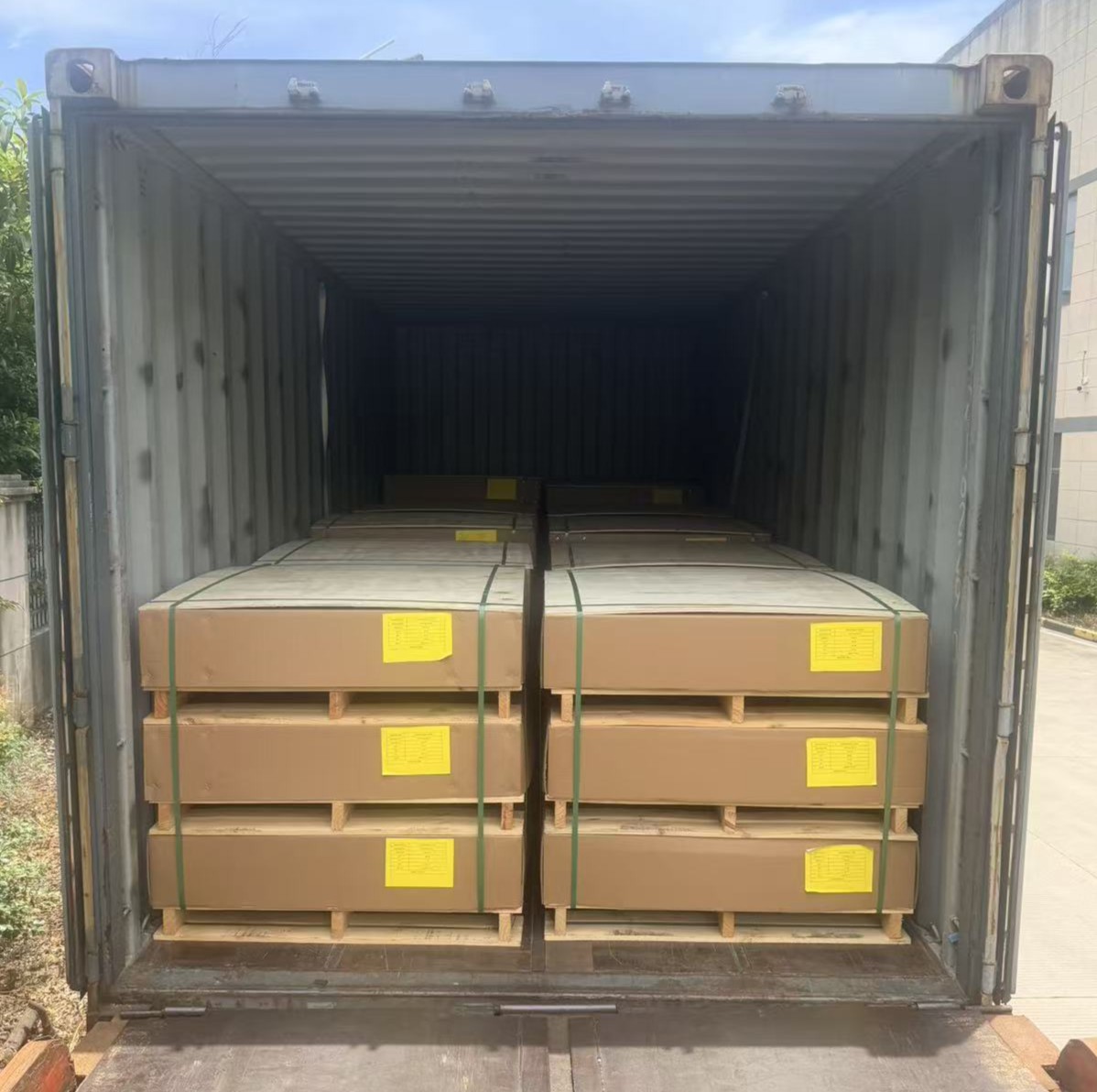
We have multiple warehouses with long-term agreements, able to provide high-quality processing and packaging services to meet your requirement.
What are the payment methods?
We accept T/T and L/C. For other payment methods, please contact us for further communication.
How long is your delivery time?
For goods in stock , it takes 3 to 7 days.If we need to order from steel mills, it will take around 25-45 days depends on the specific products and different steel mills.
How do you keep long-term business and good relationship?
We always keep supplying good quality products with competitive prices and provide one stop service.We wish to establish long-term cooperative relationships with you, to achieve the best interests and to become the true friends.