
Unlocking the Power of AR500/AR600 Steel: Your Guide to Bulletproof Armor
As one of the most cost-effective options, AR500 steel offers a great balance of affordability and protection.


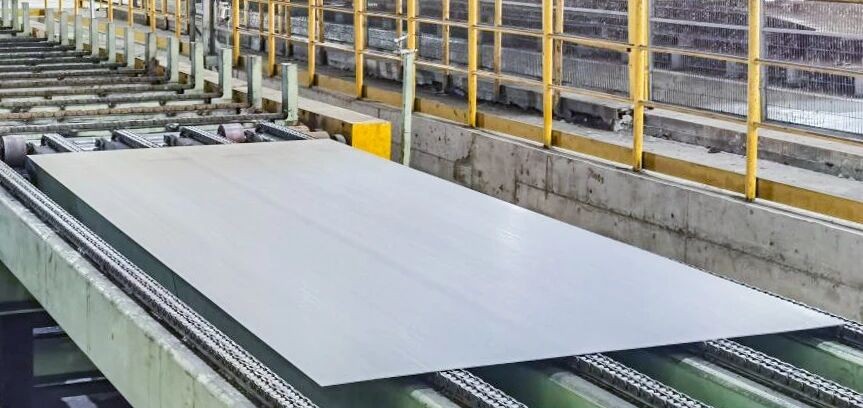
Today, we're diving into the world of the most common steel used for bulletproof applications, also called ballistic steel or bulletproof metal: AR500 steel plate. As one of the most cost-effective options, AR500 steel offers a great balance of affordability and protection. With a hardness of around 500 HBW, AR500 is the go-to grade known for its bending and welding capabilities, as well as its solid fatigue resistance. A thickness of 6.5 mm of AR500 is typically sufficient to protect against a NATO standard 5.56 mm caliber bullet, the SS109.
Once processed, AR500 armor can be rated at NIJ Level III, designed to withstand fire from 7.62×51 mm rounds. Different grades of wear-resistant steel have their unique advantages and trade-offs, which we will explore further below.
The Key Differences Between AR500 and AR600
The primary difference between AR500 and AR600 steel plates lies in their hardness levels. The harder the steel, the lighter and thinner the plate can be made, and the better the ballistic protection it offers. While increased hardness does lead to greater brittleness, for these two grades, their suitability for use as shooting range baffles or in armored vehicles remains unaffected.

When selecting bulletproof steel plates, consider the following factors:
The Brinell Hardness Scale
The Brinell Hardness Scale is an empirical test that measures the hardness of materials by the depth of penetration of an indenter. Critical in evaluating body armor plates, AR500 and AR600 steel plates possess Brinell hardness levels of HBV500 and HBV600, respectively. This scale quantifies a plate's resistance to indentation from ballistic impacts, essentially equating to its penetration resistance. A higher Brinell hardness number indicates a higher level of hardness, translating to improved resistance against impact and penetration. However, it's important to consider other factors such as bullet velocity, design, and composition when assessing overall protection levels.

Bullet Velocity
The speed of a bullet significantly impacts its ability to penetrate body armor. Factors such as the barrel length of the firearm, the amount and type of gunpowder in the cartridge, the bullet's shape, and the environmental conditions at the time of firing can affect a bullet's velocity.
A bullet's velocity is directly related to the kinetic energy it possesses; thus, a faster bullet typically has a higher chance of penetrating armor. Elements like air resistance and the angle of impact can also influence a bullet's velocity and its potential for penetration.
Bullet Design
The design of a bullet can notably affect its penetration capabilities. Full Metal Jacket (FMJ) bullets, for instance, are designed for penetration with a soft lead core encased in a harder metal shell, and in the case of M855, a steel penetrating tip. In contrast, hollow point bullets are designed to expand upon impact, creating a larger wound channel but offering less penetration. The shape of the bullet can also affect its aerodynamics and the amount of energy it can deliver to the target, influencing its ability to penetrate body armor.
Bullet Composition
The materials used to make a bullet can impact its penetration capabilities. Bullets made of lead, a relatively soft metal, tend to deform upon impact and are generally less effective at penetrating armor. In contrast, bullets made of harder materials, like steel or tungsten, or those with a steel or tungsten core, are typically more capable of penetrating body armor.

Durability
Steel armor has a longer shelf life than ceramic armor. If properly stored and not exposed to severe impacts or corrosive environments, wear-resistant plates, commonly used in fields like construction machinery, offer exceptional durability and can last for decades. In comparison, ceramic plates usually come with a warranty period of 5 to 7 years.
A36 vs AR500
When it comes to choosing between A36 and AR500 steel for shooting targets, it's not just about which one is tougher. It's about finding the right fit for your needs.
A36 steel is your go-to for smaller, less powerful bullets like those from a typical 9mm handgun. It's like using a fly swatter for a fly – it gets the job done. But if you're dealing with heavier, high-caliber guns, that's where AR500 comes into play. It's like using a sledgehammer for a nail – it's overkill for small tasks, but perfect for tougher jobs.
Now, let's talk about the cost. AR500 is generally more expensive than A36. If you're on a budget, A36 might be the more wallet-friendly option. But if you're looking for something that can take a real beating, AR500 is worth the extra investment. Welding these two together is possible, but keep in mind that A36 is softer, so it'll show wear and tear before the AR500 does. It's like putting a soft pillow next to a hard rock – the pillow will get flattened first.
A36 is a versatile steel used in all sorts of structures. It's like a Swiss Army knife – it can do a lot of things. It's got a good density and can be welded, bolted, or riveted. It's also like a chameleon, coming in different shapes and sizes.
AR500, on the other hand, is like a superhero of steel. It's abrasion-resistant and tough, making it perfect for high-stress jobs like mining tips, truck plows, and even military applications. It's got a high Brinell hardness, which means it's one tough cookie. It's also great for shooting targets because it's not going to wear out as quickly as other steels. Just because AR500 is tougher doesn't mean it's the best for every job. A36 is better for situations where you need something a bit softer. AR500 is better for shooting targets with high-caliber rounds because it's more resistant to wear and tear, and it makes bullets follow a predictable ricochet pattern. A36 can handle smaller bullets, but it might create more debris.
In the end, if you're shooting regular bullets, you don't need the toughest metal targets. But if you're planning on using big, powerful guns, then AR500 is the way to go. And remember, no matter what steel you use, always wear eye protection when shooting.
Q1: What is AR500 steel, and why is it commonly used for ballistic protection?
A1: AR500 steel is a type of abrasion-resistant (AR) steel plate with a Brinell hardness of approximately 500 HBW. It is a prevalent and cost-effective choice for bulletproof applications due to its optimal balance of hardness, affordability, weldability, and fatigue resistance. Its hardness provides significant protection against penetration.
Q2: What ballistic threat level can AR500 steel plates protect against?
A2: A 6.5 mm thick AR500 plate is typically sufficient to stop a NATO standard 5.56x45mm (SS109) bullet. Once properly processed and manufactured into armor, AR500 plates can be rated at NIJ Level III, meaning they are designed to withstand multiple hits from 7.62x51mm FMJ (Full Metal Jacket) rifle rounds.
Q3: What is the main difference between AR500 and the harder AR600 for ballistic use?
A3: The primary difference is hardness, measured on the Brinell scale. AR600 (~600 HBW) is harder than AR500 (~500 HBW). This allows AR600 plates to be made lighter and thinner for an equivalent level of protection or to provide even greater ballistic resistance. While increased hardness can correlate with greater brittleness, both grades remain suitable for applications like shooting range baffles and vehicle armor.
Q4: Besides the steel's hardness, what other factors determine if a bullet will penetrate armor?
A4: Three key factors related to the bullet itself significantly influence penetration:
- Velocity: Higher velocity means greater kinetic energy, increasing penetration potential. Velocity is affected by firearm type, cartridge load, and environmental conditions.
- Design: Full Metal Jacket (FMJ) bullets with steel penetrator tips (like M855) are designed for deeper penetration. Hollow-point bullets are designed to expand and transfer energy, typically penetrating less.
- Composition: Bullets with hardened steel or tungsten cores are more penetrative than those made of softer lead.
Q5: How does steel body armor compare to ceramic armor in terms of durability?
A5: Steel armor generally has a much longer functional shelf life. Properly maintained steel plates can last for decades. In contrast, ceramic composite plates, which can be lighter for a given protection level, typically have a manufacturer's warranty or recommended service life of 5 to 7 years due to the potential for material degradation.
Q6: Should I use A36 mild steel or AR500 steel for shooting targets?
A6: The choice depends on the firearm and priorities:
- A36 Steel: A softer, lower-cost structural steel. It is sufficient for low-velocity, small-caliber rounds (e.g., 9mm pistol). It deforms faster, may spall more, and is less safe for high-powered rifles.
- AR500 Steel: Specifically hardened for high-impact, high-abrasion use. It is the standard choice for high-caliber rifle targets (e.g., .223, .308) as it resists penetration, provides a more predictable ricochet angle (when angled), and has a vastly longer lifespan under heavy fire. It is more expensive but essential for safety and longevity with rifles.
Q7: How do I choose the right supplier for ballistic or wear-resistant steel plates?
A7: A qualified supplier should offer:
- Material Certification: Proof that the steel meets specified hardness (e.g., AR500) and ballistic standards.
- Expertise: Ability to advise on the correct grade and thickness for your specific threat level (caliber) and application (targets, vehicle armor, etc.).
- Processing Capability: Ability to precisely cut, shape, and (if needed) heat-treat the plates without compromising their ballistic properties.
- Inventory & Range: Stock availability of various grades (AR400, AR500, AR600) and thicknesses to meet diverse needs.
Choose the Right Steel Distributor
After considering all the relevant performance factors and determining the material, it's time to choose the right supplier. As an authorized dealer of Baosteel, Baohui Steel Limited maintains a large stock of wear-resistant steels, including AR400, AR500, AR600, and other grades of wear-resistant plates. With thicknesses ranging from 2 millimeters to 80 millimeters, we cater to a variety of end-user needs and export globally. If you're still undecided on which steel grade to choose, please contact us for one-on-one expert guidance.